No No Canada! Get The Heck Out Of China! Dont Send Annan To China, They Are Canada's #1 Enemy.

Minister Anand meets with China’s Director of the Office of the Central Commission for Foreign Affairs and Minister of Foreign Affairs Wang Yi
Readout
October 17, 2025- Beijing, China - Global Affairs Canada
Today, the Honourable Anita Anand, Minister of Foreign Affairs, met with China’s Foreign Minister, Wang Yi, to advance bilateral relations following 55 years since diplomatic ties were established between Canada and China.
Building on the meeting between Prime Minister Mark Carney and the Premier of China, Li Qiang, at the United Nations High-Level Week, the ministers discussed issues of respective sensitivity, such as agriculture and agri-food products, including canola, as well as seafood, meat and electric vehicles. They identified key areas where Canada and China can work together constructively, including the environment, energy and health.
The ministers highlighted the 20th anniversary of the Canada-China Strategic Partnership and discussed how the Partnership can be renewed and refocused to meet shared objectives in light of the evolving bilateral and global context.
Minister Anand and Minister Wang Yi agreed that regular and candid communication is essential to build trust, enhance cooperation and address respective concerns. Both ministers welcomed the recent Joint Economic and Trade Commission meeting in August and discussed new and established mechanisms, such as consular consultations and law enforcement cooperation dialogue.
Both ministers reaffirmed a shared commitment to engage at all levels to ensure the relationship and strategic partnership continue to move forward constructively and pragmatically.
China, Canada Love-In After Ottawa’s ‘Pragmatic’ Shift: Analysts
Beijing states a willingness to restart dialogue and exchanges ‘at all levels’ as top diplomat Wang Yi meets with Canadian counterpart
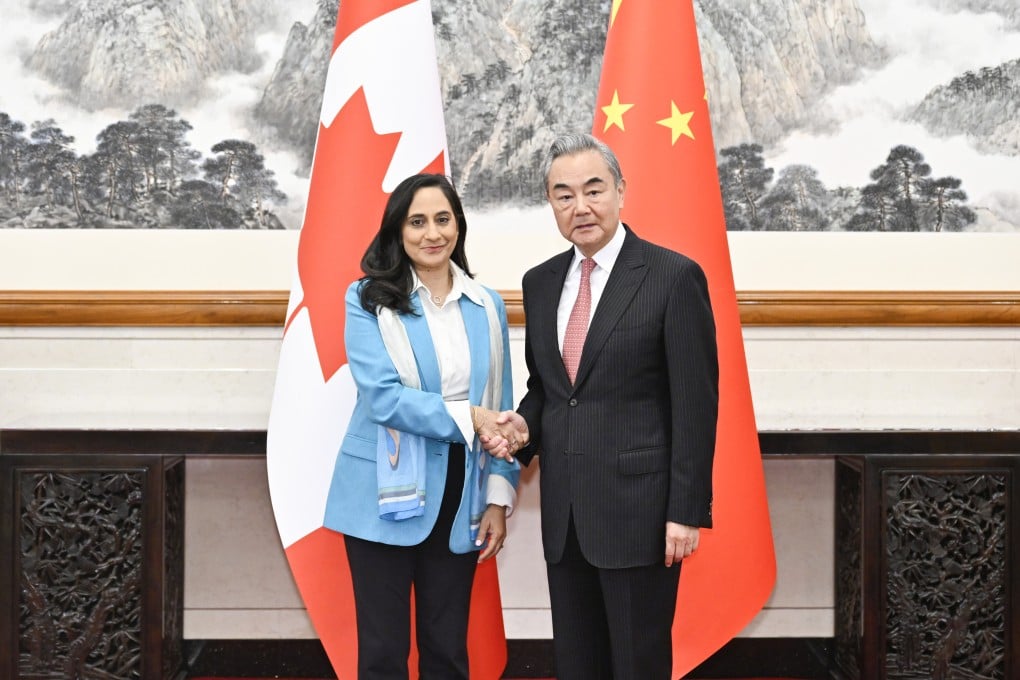

Beijing was willing to restart dialogue and exchanges “at all levels” and rebuild trust with Ottawa, top Chinese diplomat Wang Yi said as he met Canadian Foreign Minister Anita Anand during her two-day trip to China.
Friday’s meeting in Beijing came just over a week after Canadian Prime Minister Mark Carney visited US President Donald Trump in Washington, as part of ongoing diplomatic efforts to manage strained relations amid escalating trade tensions.
“China is willing to work with Canada to … restart dialogue and exchanges at all levels, advance the settlement of each other’s legitimate concerns … and bring China-Canada relations onto the track of sound, stable and sustainable development at an early date,” Wang said.
He added that Beijing was willing to rebuild trust and advance the process of improving bilateral relations “in the spirit of looking forward”.
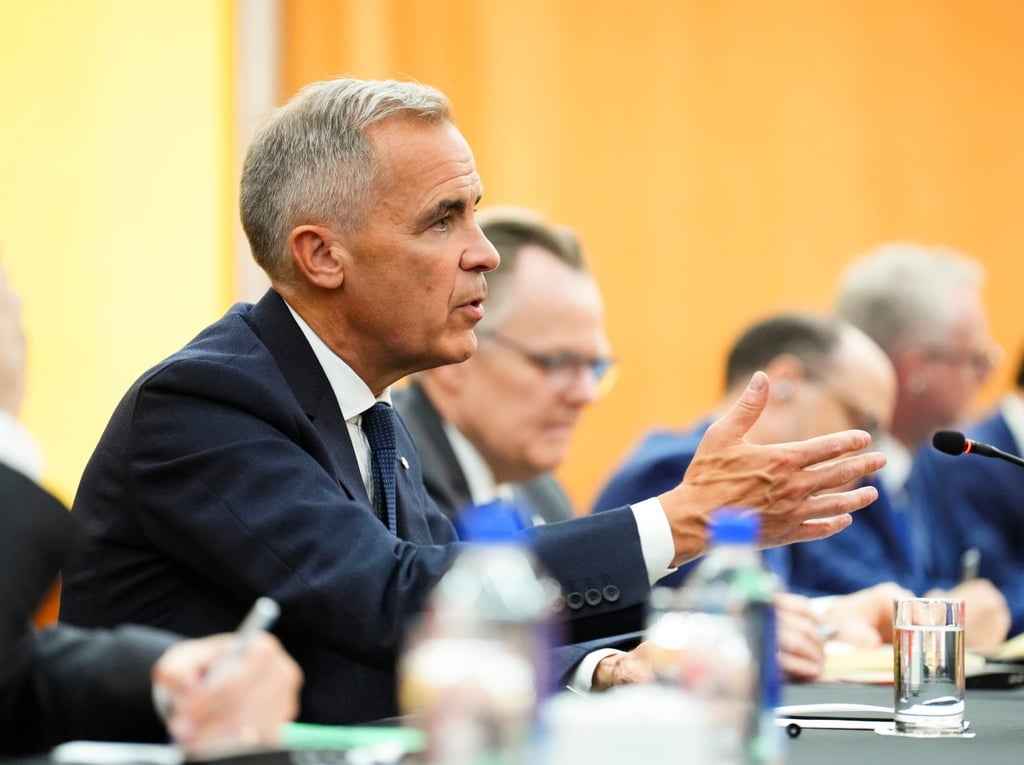
The two countries shared broad space for cooperation and could “fully become partners”, Wang continued, calling Anand’s visit a “fresh start” for their ties.
Anand’s trip was the first to China by a Canadian foreign minister since Trump returned to the White House. Beijing was the final stop of her Indo-Pacific tour, following visits to India and Singapore.

Anand on Friday said Carney placed “high importance” on cooperation with China and was committed to “recalibrating Canada-China relations”, according to the Chinese foreign ministry.
“The current momentum for improving bilateral relations is positive and has made encouraging progress,” she reportedly said, expressing hope that both sides would elevate their strategic partnership.
According to a social media post by the Canadian foreign ministry, the ministers discussed agricultural sectors including canola, as well as electrical vehicles and “how Canada and China can work together constructively”.
The talks came amid ongoing trade tensions, with China imposing tariffs and anti-dumping duties on Canadian canola in retaliation for tariffs on Chinese EVs.
Analysts said Canada’s diplomatic moves signalled a pragmatic shift in its China policy as both sides contend with policy headwinds from Washington.
Jia Wang, a senior fellow and former deputy director of the China Institute at the University of Alberta, said she believed Anand’s visit to Beijing was building momentum ahead of a possible Carney-Xi meeting.
“While it’s too early to call it an ‘upgrade’ in bilateral relations, these engagements reflect a shared interest in re-establishing constructive communication and identifying areas of pragmatic cooperation,” Wang said.
Thomas Liu, a research fellow at the Institute for Peace and Diplomacy, a Toronto-based think tank, said “the majority of Canadians want to have more diversified trade relations and more opportunities”.

“If that is what Canadians want, Ottawa has a responsibility to respond, and so far, it deserves some applause for doing just that,” Liu said.
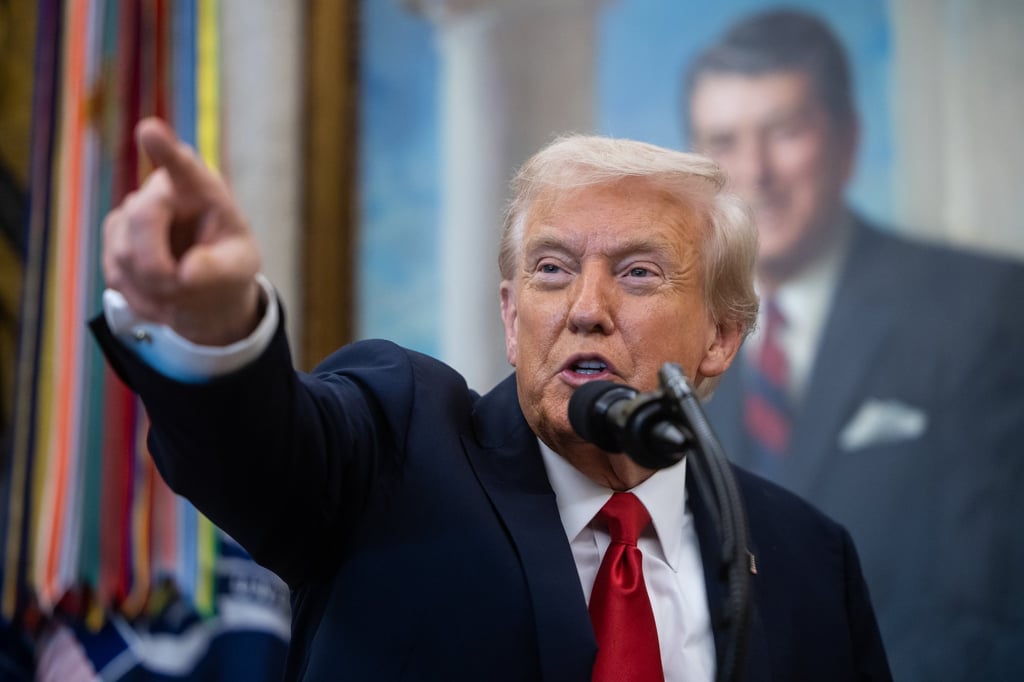
Trump’s second presidency has seen Canada face serious economic and diplomatic challenges from the US, its top trade partner.
Washington’s tariffs on a wide range of Canadian products have prompted Carney to pursue negotiations to ease trade tensions. In August, the Canadian leader said Ottawa would drop some retaliatory tariffs after Washington granted some exemptions.
Earlier this month, the US government bought a stake in two Canadian critical mineral companies. The move has raised national security alarms in Ottawa regarding foreign government involvement in strategic resources.
Given the fraught circumstances, now is a “ripe time” for Canada to mend its relations with China, according to Josef Gregory Mahoney, a professor of politics and international relations at East China Normal University in Shanghai.

“Previously, Ottawa embraced policies that increasingly dovetailed with those of Washington, targeting China and the Chinese people, asserting they were acting in the best interests of national security,” Mahoney said.
He noted that “Canada has increasingly found itself at risk from various forms of US aggression, as Asia seems to be moving ahead together.”
However, even if Canada moved closer to China, Beijing was likely to stay cautious about its potentially transactional approach to policy, Mahoney said.
“We might see improved trade ties, [but] we can expect reversals should Ottawa continue to flirt with China’s red lines,” he said, adding that it was not yet clear whether Ottawa was “shifting tactics in a self-serving way”.
lay China-Canada tensions date back to Trump’s 2017-2021 first presidency, when relations were largely frozen amid Canada’s accusations that China had breached its national security through hacking and espionage activities and that it posed a threat to the Western alliance.

In 2022, during the Group of 20 summit in Bali, Xi confronted Justin Trudeau, then Canada’s prime minister, over what the Chinese leader said were leaks of their private discussions to the media. The encounter took place after Trudeau reportedly accused China of interfering in Canadian politics.

The moves prompted Beijing to retaliate with additional 100 per cent tariffs on several Canadian agricultural products. followed in August by preliminary anti-dumping duties on imports of Canadian canola.
Wang at the University of Alberta said while differences such as on security and human rights would continue to exist, China and Canada needed to “reestablish a basic level of trust” through talks, including at the highest levels of government.
Liu of the Institute for Peace and Diplomacy said Ottawa could take a cue from Washington, by maintaining “high-level communication” and “sustained dialogue” with Beijing while addressing their differences.

No comments:
Post a Comment
Comments always welcome!